The Perseid Peak
August brings the warmth of late summer nights and the most celebrated celestial fireworks of the year. The Perseids are reliable, bright, and an annual tradition for stargazers seeking the quiet thrill of a shooting star.
When to Watch
The shower usually runs from mid-July to late August, but the absolute climax occurs mid-August. The best viewing time is always between midnight and dawn, after the constellation Perseus has risen high above the horizon. Check lunar calendars; a new moon year yields a spectacular backdrop.
Where to Look
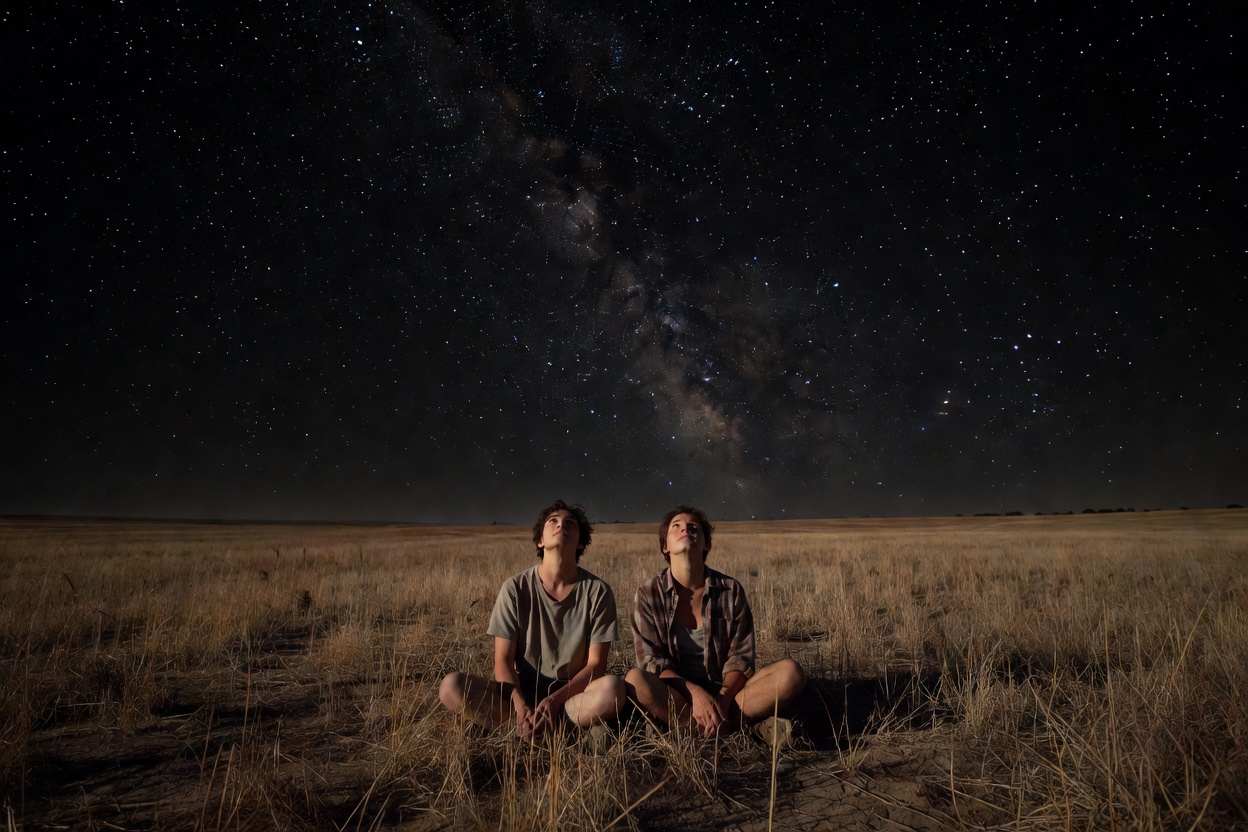
The radiant point is in the constellation Perseus, but meteors will dart across the entire dome of the sky. Instead of staring directly at the radiant, lie flat and look straight up. Relax your eyes and allow your peripheral vision to catch the sudden streaks of silver and gold.
Upcoming Notable Showers
Eta Aquariids (May)
Particularly strong in the Southern Hemisphere, though still beautiful up North. Debris from Halley's Comet.
Draconids (October)
A rare evening shower. Unlike most, this one is best viewed just after nightfall rather than the early hours.